Bigger Isn’t the Question. Proportion Is.
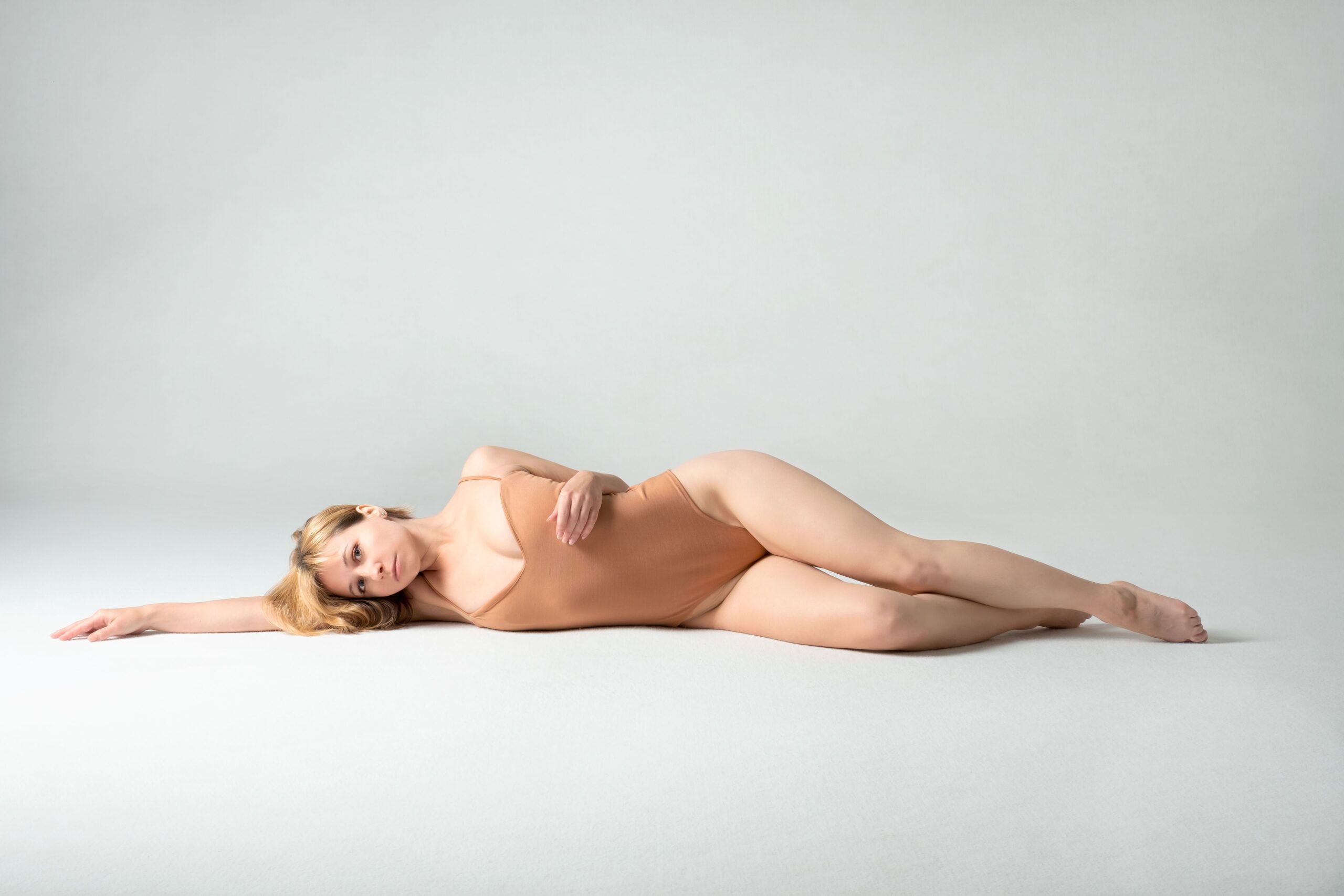
Almost every augmentation consultation starts the same way: a patient sits down with a picture on their phone and asks, “Can I get this size?” It’s a fair question — sizing is the most visible, most talked-about part of breast augmentation. But it’s also the wrong question to start with, and answering it too early is how a lot of results end up looking off, even when the surgery itself went “fine.”
The better question is: what proportions actually fit *your* body?
It’s Not a Size. It’s a Footprint.
Every breast has a natural base — the footprint it occupies on your chest wall, set by your own anatomy: your chest width, your existing breast tissue, your skin envelope, where your nipple naturally sits. An implant isn’t just a volume number; it’s a three-dimensional shape that has to sit inside that footprint. Choose one that’s wider than your natural footprint, and you risk it drifting too far to the side, or even bridging across the middle of the chest (something we call symmastia). Choose one that doesn’t match your tissue’s ability to support it, and you risk bottoming out over time, where the implant slowly slides lower than intended.
This is why two patients who ask for “the same size” can end up needing completely different implants — different widths, different profiles, sometimes different volumes entirely — to land on a result that actually looks proportional on each of them. The number on the implant sizer means very little on its own. What matters is how that shape interacts with the footprint you already have.
Still Deciding
Ask Me the Question
If you take one thing from this post, let it be this: ask questions. Between social media and a never-ending stream of before-and-afters with no context behind them, it’s incredibly easy to go off the rails — to walk in anchored to a size, a shape, or an idea that simply isn’t realistic for your anatomy, without ever knowing why. That’s not your fault; that content is designed to grab attention, not to educate you.
My job in a consultation isn’t to talk you into anything. It’s to give you an honest, realistic picture of what’s actually possible for your body, and to explain the reasoning behind it clearly enough that you understand it, not just accept it. So bring the photo from your phone, bring the question you think might sound silly, bring the number you saw someone else’s implant was — I’d genuinely rather answer it directly than have you guess.